Short answer: a contractor license classification tells you exactly what work that license legally covers. Class B covers general building projects involving multiple trades. C classifications like C-10 (electrical), C-39 (roofing), and C-53 (swimming pool) each cover one specific trade. Checking a contractor's actual classifications on the CSLB website, rather than assuming from their marketing, is the fastest way to know whether they are actually licensed for the work you are hiring them to do.
Why License Classifications Exist
The California Contractors State License Board, generally referred to as the CSLB, organizes contractor licenses into classifications so that a license reflects real, verifiable scope rather than a general claim of competence. A contractor cannot legally perform work outside the trades their license covers, at least not as the licensed party responsible for that portion of the job. This system exists to give homeowners a way to check, rather than assume, whether a contractor is actually qualified and legally permitted to perform the specific work being discussed.
What Class B (General Building) Actually Covers
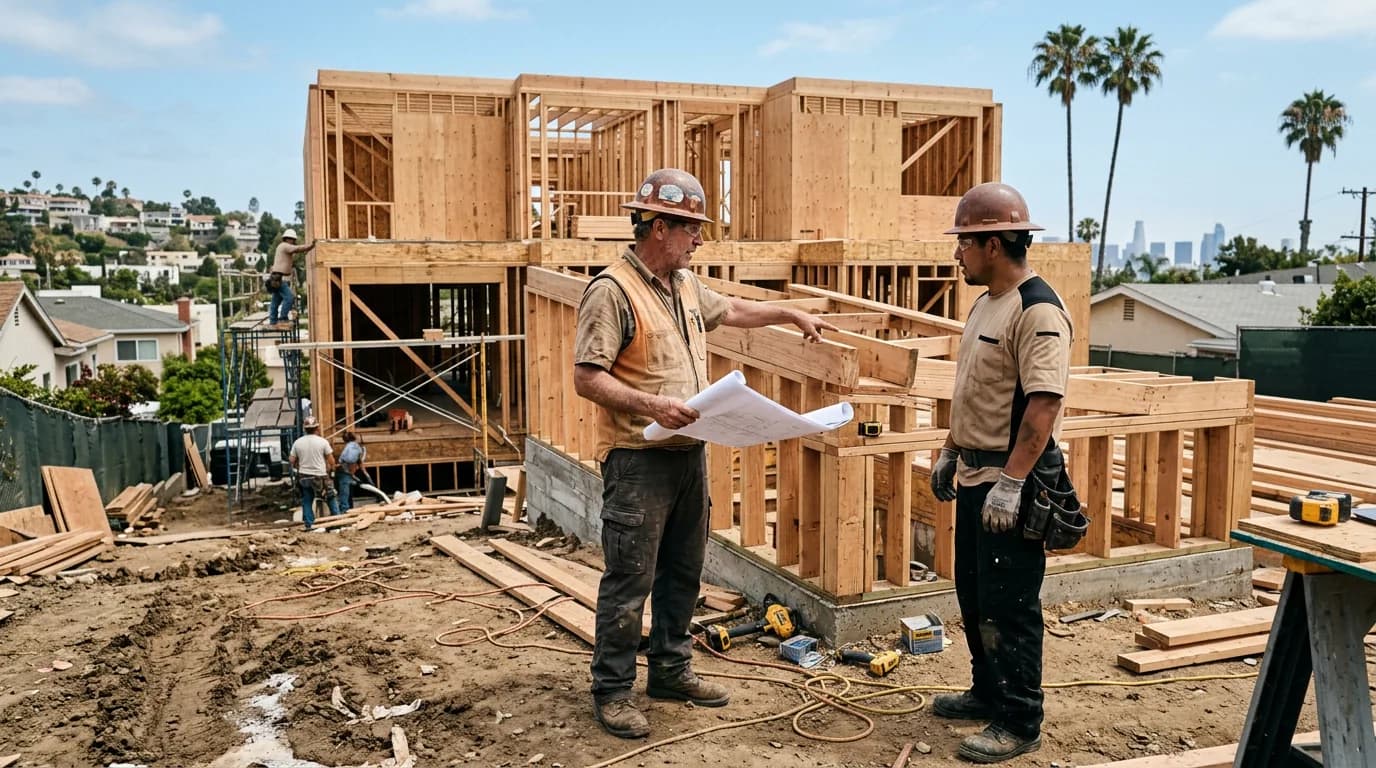
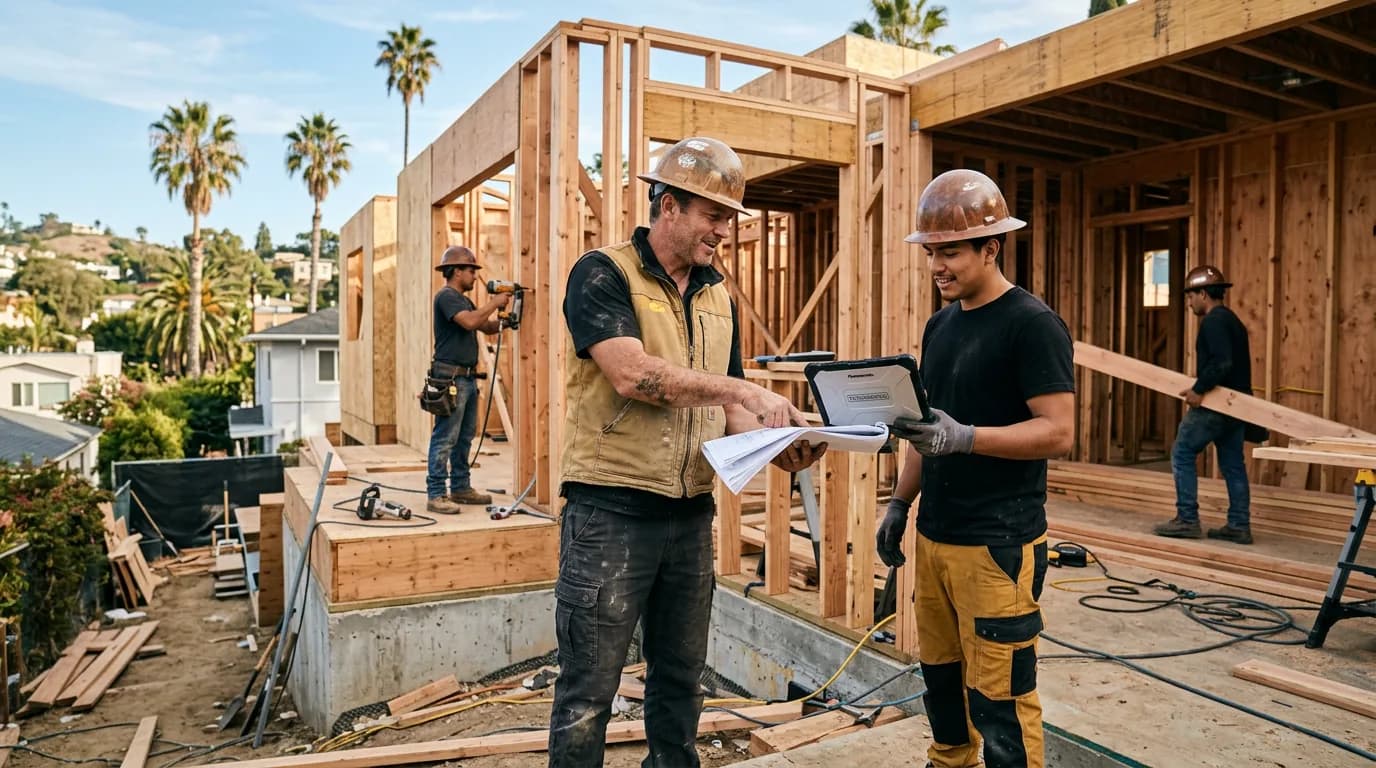
A Class B General Building license is generally intended for contractors whose work involves at least two unrelated building trades or crafts on a single project, such as framing, structural work, and coordinating other trades toward a finished structure. In practice, a Class B contractor is the kind of license suited to whole-home renovations, additions, and ground-up construction, where multiple trades need to be sequenced and supervised together rather than handled as one isolated task. The CSLB record for a Class B license will show that classification specifically, along with any additional C classifications the same contractor also holds.
What C-10, C-39, and C-53 Each Cover
C classifications are specialty licenses, each limited to one specific trade. There are dozens of C classifications covering everything from painting to concrete to low-voltage systems, and three of the most relevant to residential construction are electrical, roofing, and pool work.
| License | What it covers | Typical projects | Why it matters to you |
|---|---|---|---|
| Class B | General building, involving two or more unrelated trades | Whole-home renovations, additions, ground-up construction | Confirms the contractor is licensed to oversee multi-trade projects, not just one isolated task |
| C-10 | Electrical systems | Panel upgrades, rewiring, EV charger installation, lighting circuits | Electrical work performed outside this license is a real safety and legal exposure |
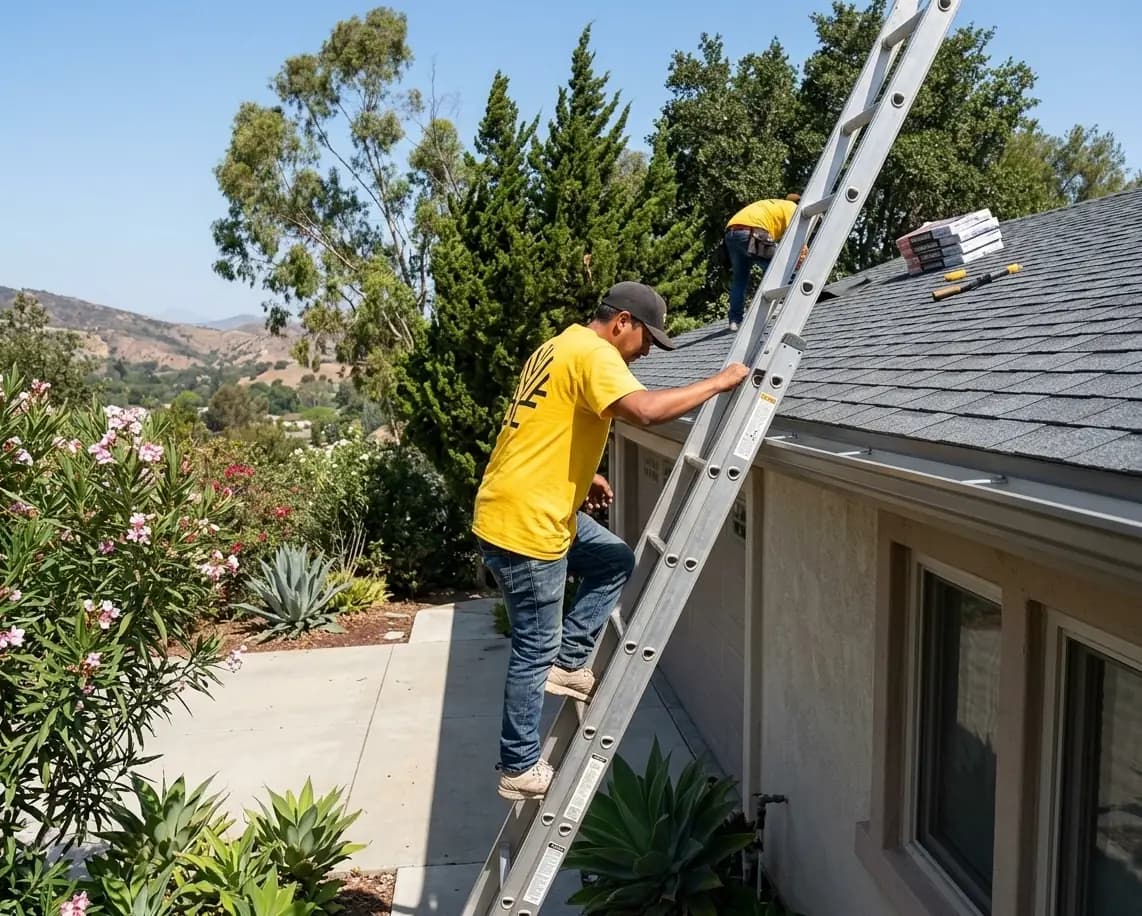
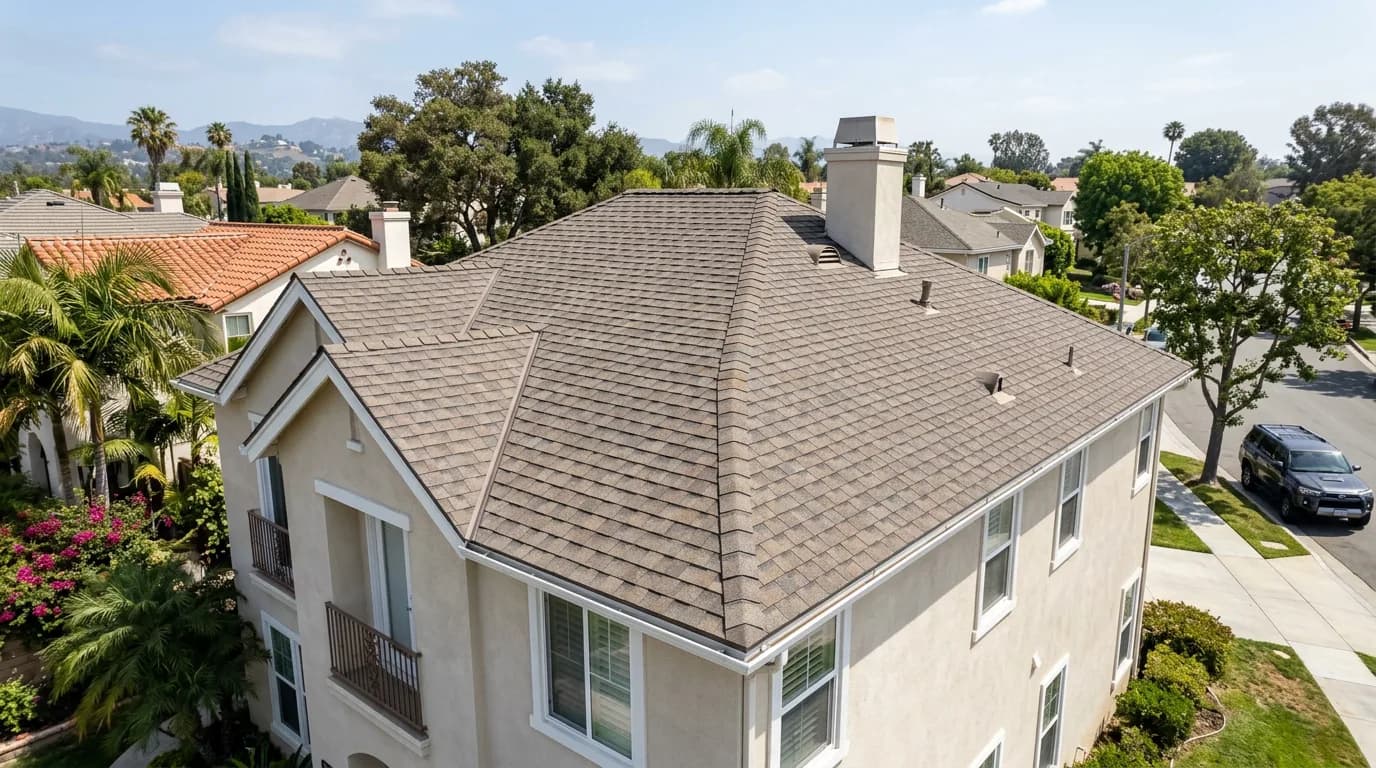
| C-39 | Roofing | Roof repair, tear-off and replacement, re-roofing | Confirms the contractor is specifically licensed for roofing rather than treating it as a general side task |
| C-53 | Swimming pool construction | Pool building, pool structural and plumbing work | Pool construction has its own specialty requirements separate from general building work |
Why It Matters Whether Work Is Done Under License or Subcontracted
When a general contractor's own license does not cover a specific trade, that portion of the work is typically subcontracted to a separately licensed company. That arrangement is legal and common, but it adds a layer between you and the person actually doing the work: a separate contract, a separate point of accountability, and a separate company's licensing and insurance to verify.
When a contractor holds the relevant license directly, whether that is C-10 for electrical or C-39 for roofing, that portion of the project stays under the same company's direct responsibility instead of being handed to an outside firm. For a homeowner, that generally means fewer parties to coordinate with and fewer handoffs where details can get lost between one company's crew and another's.
How to Read a CSLB Record in Two Minutes
The CSLB maintains a public license lookup tool where anyone can check a contractor's license status before hiring. A few minutes on that record can tell you more than a website ever will.
- License status: whether the license is active, expired, or has been suspended or revoked.
- Classifications: the specific Class B or C license codes the contractor actually holds, not just what their website claims.
- Bond and workers' compensation: whether the contractor carries the required bond and has workers' compensation coverage on file.
- Business name match: whether the business name on the license matches the name on your contract and estimate.
Checking these four items directly on the CSLB record takes only a couple of minutes and is worth doing before signing anything.
The Owner-Builder Permit Risk
California allows homeowners to pull permits themselves as an owner-builder rather than through a licensed contractor. This is a legal path, but it shifts significant responsibility onto the homeowner, including potential liability if an uninsured worker is injured on the property during the project. Anyone considering that route should review the specific requirements and risks with the local permitting office before choosing it, rather than assuming it is a simple way to save money.
Why Holding Several Licenses Under One Roof Reduces Handoffs
A project that touches structural work, electrical, and roofing is common in a whole-home renovation or a ground-up build. When one company holds the Class B general license along with C-10 and C-39, the same team can move through those phases directly, rather than the project passing between a general contractor and two or three separate specialty subcontractors. This is part of why a design-build approach, where design, permitting, and construction stay under one contract, tends to move with fewer coordination gaps than a project split across multiple separately hired trades.
Wild Oak Construction holds a Class B General Building license (CSLB #1146494), along with C-10 Electrical, C-39 Roofing, and C-53 Swimming Pool classifications, which is why electrical services, roofing services, and pool construction can all be handled by the same licensed team on one project. A free on-site consultation is available for homeowners within about 20 miles of our Sherman Oaks office, and financing is available if you would rather spread the cost. For a broader look at what to check before hiring anyone, see our guide on how to choose a general contractor.