Short answer: replace your roof when it is at or past the typical lifespan for its material, when warning signs show up in more than one place at once, or when a major project like solar or an addition is coming up and will disturb the roof anyway. Waiting past that point usually costs more, not less.
How Long Roofs Last in Los Angeles by Material
Material sets the baseline for how long a roof should last, but a number on a spec sheet is not the same as what actually happens on a house in the San Fernando Valley or the hills above it. Heat, UV exposure, and temperature swings between a hot afternoon and a cool night all wear on roofing materials faster than milder climates do.
| Material | Typical lifespan | What fails first in LA | What to watch for |
|---|---|---|---|
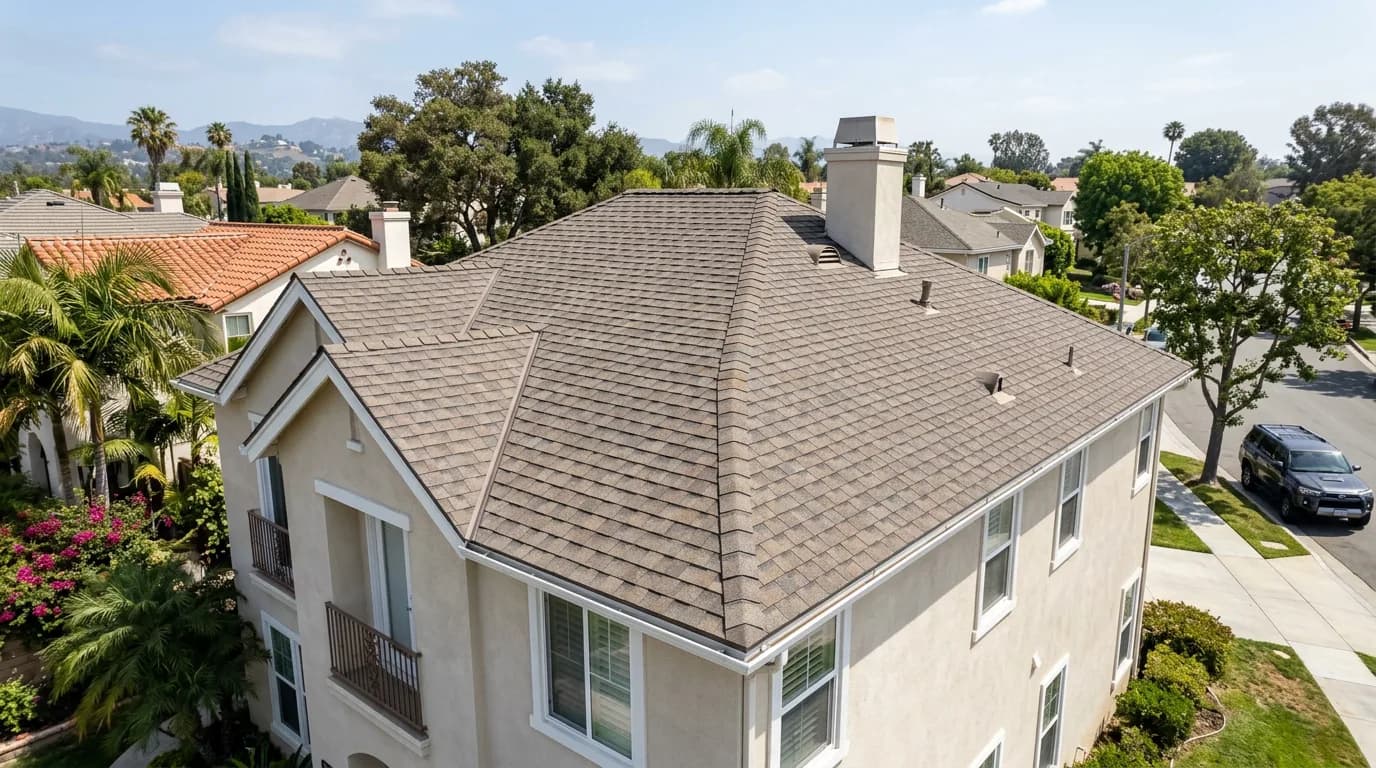
| Architectural asphalt shingle | Roughly 20 to 30 years | Granules wear off, then the shingle becomes brittle from UV exposure | Curling edges, bald patches, shingles that crack when lifted |
| Concrete or clay tile | 50 years or more for the tile itself | The underlayment beneath the tile, not the tile | A tile roof can look perfect and still be failing underneath |
| Standing seam metal | Roughly 40 to 70 years | Fastener and sealant points age faster than the panels | Rust at fastener heads, sealant that has dried and cracked |
| Flat or low slope (built-up or membrane) | Varies widely by system | Seams and flashing details, plus ponding water over time | Bubbling, seam separation, water that sits for more than a day or two after rain |
We confirm the real condition and remaining life of your specific roof during the inspection. A material's typical lifespan is a starting point, not a verdict.
Why LA Sun and Heat Age Roofs Faster
A roof in Los Angeles spends most of the year under direct, intense sun, and attic temperatures on a hot day can climb well above the outside air temperature. That heat cycle, hot during the day and cooler at night, expands and contracts roofing materials repeatedly over the life of the roof. Asphalt shingles lose their granules and become brittle faster under this kind of exposure than they would in a milder climate. Underlayment under tile roofs dries out and cracks the same way.
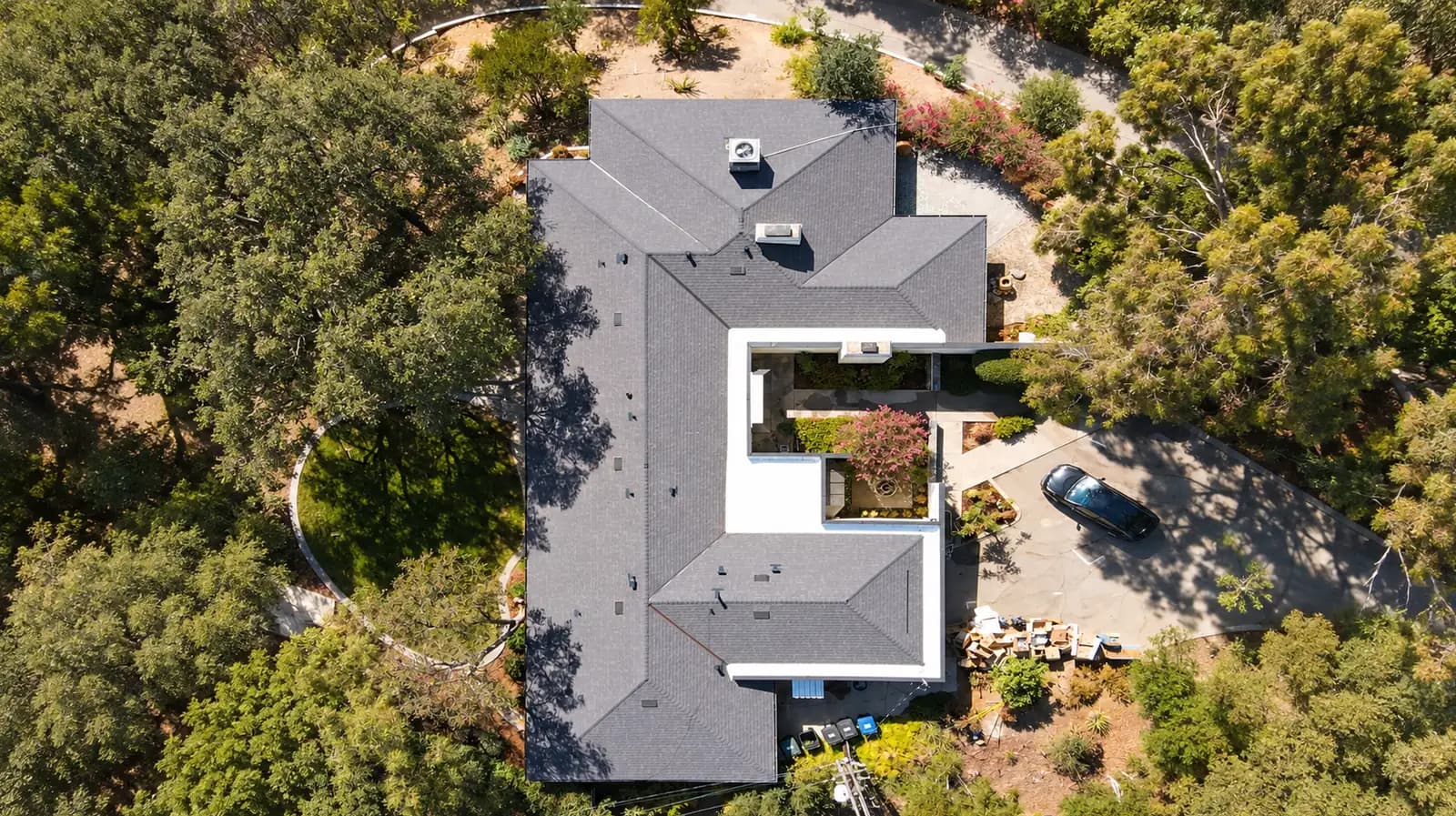
South- and west-facing slopes usually show wear before north-facing ones, simply because they take more direct sun over the course of a day. If your roof is aging unevenly, that is often why.
Warning Signs That Mean Do Not Wait
Some signs point to a roof that needs attention now, not on your own schedule.
- A leak that has already shown up in more than one location, or one that keeps reappearing after being patched.
- Soft or spongy decking, sagging, or daylight visible through the roof deck when checked from the attic.
- Underlayment that is brittle, cracked, or torn across large sections, even if the tile or shingle on top still looks acceptable from the ground.
- Nails backing out across the field of the roof rather than in just one spot.
- Visible daylight, staining, or a musty smell in the attic after rain.
If any of these are present, the honest move is to schedule an inspection before the next storm rather than after it.
Signs That Can Wait Until Next Season
Not every issue is urgent. Some things are worth noting and monitoring rather than acting on immediately.
- A few cracked or slipped tiles in one small area, with no sign of a leak reaching the interior.
- Minor granule loss on an asphalt roof that is still well within its typical lifespan.
- Faded color or minor cosmetic wear with no functional problem underneath.
- A roof that is approaching the end of its typical life but has shown no leaks, sagging, or attic issues yet.
These are worth mentioning at your next inspection so they can be tracked over time, not necessarily worth an emergency call.
The Best Time of Year to Replace a Roof in LA
Late summer through fall is generally the most practical window for a roof replacement in the Los Angeles area. The weather is dry and predictable, which matters because a tear-off leaves a house exposed to the sky until the new underlayment and roofing material go on. Scheduling before the winter rainy season starts also means the roof is ready before the weather that actually tests it arrives.
That said, roofing work happens year round here, and a roof with an active leak should not wait for a specific season. Timing is a preference when you have the luxury of planning ahead, not a rule when the roof is already failing.
Replace Before Solar, Additions, or a Sale
If a roof replacement is going to happen within the next few years anyway, certain projects are a good reason to move the timeline up rather than push it back.
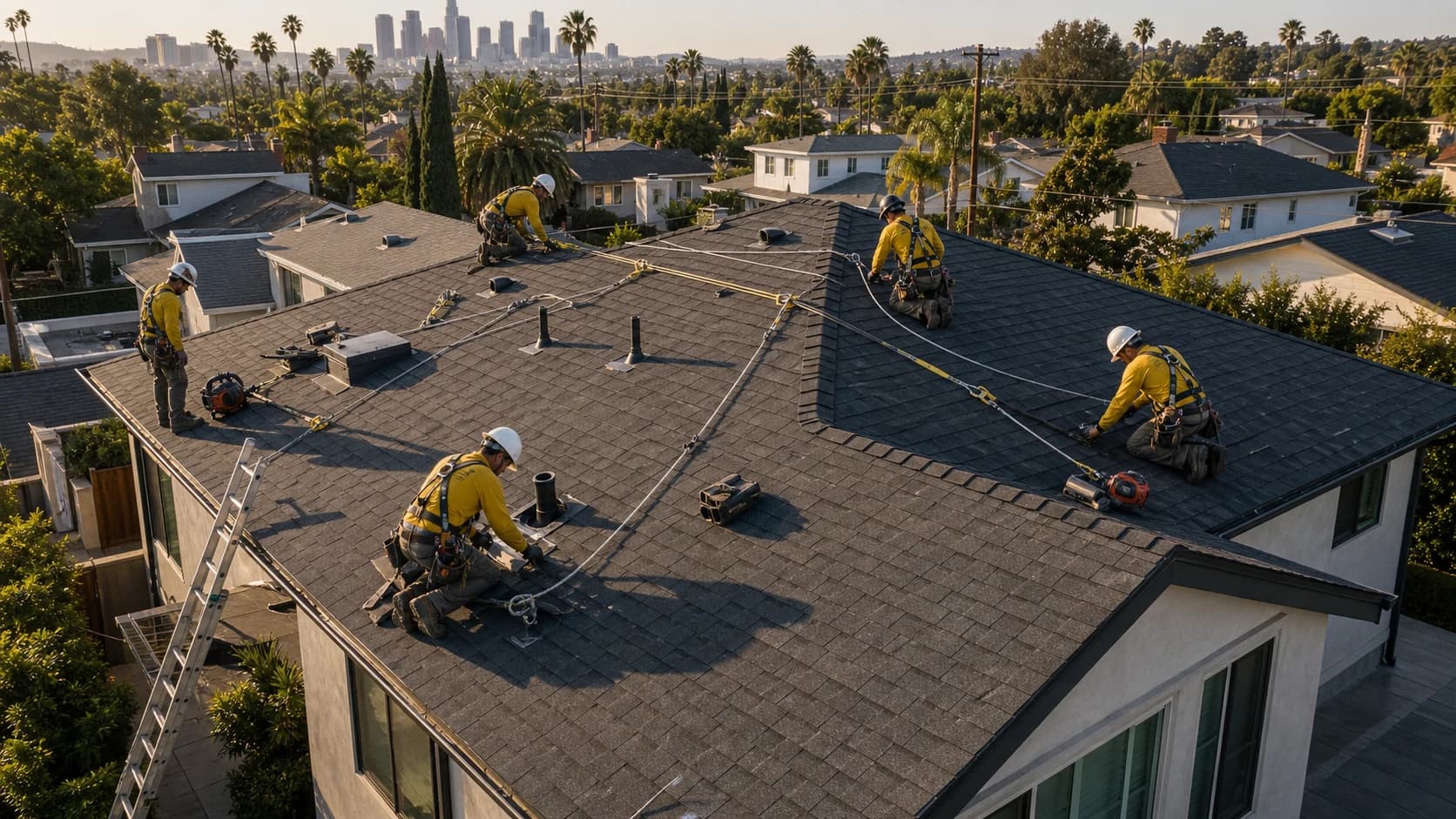
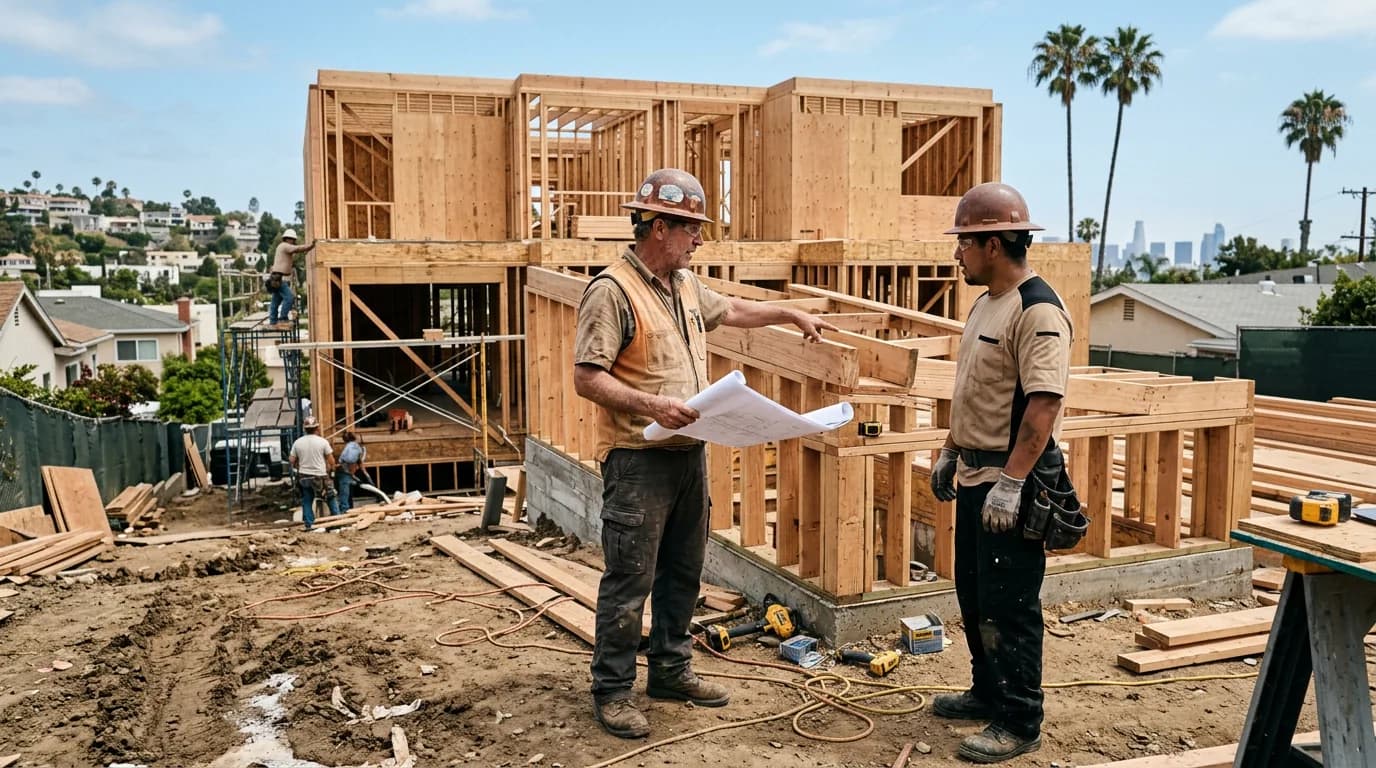
Installing solar panels on a roof that will need replacement soon means removing and reinstalling the panels later, which adds real cost and disruption the second time around. The same logic applies to a second-story addition or a major remodel that will disturb the existing roof structure. And if you are preparing to sell, an aging roof is one of the items most likely to come up in a buyer's inspection and complicate negotiations. In all three cases, replacing the roof first, on your own terms, is usually the more efficient order of operations.
What Happens If You Wait Too Long
Delaying a roof replacement past the point the roof is actually telling you it needs one rarely saves money. Water that gets past a failing roof does not stay contained to the roof itself. It can reach the decking, the framing underneath, insulation, drywall, and in some cases the interior finishes of the home. What would have been a straightforward tear-off and replacement can turn into a project that also involves structural repair, mold remediation, or interior rebuilding, all of which cost more and take longer than the roof work alone would have.
Waiting also removes your ability to choose the timing. A roof that finally fails during a January storm gets replaced on an emergency basis, not on a schedule you picked.
How to Get a Straight Answer
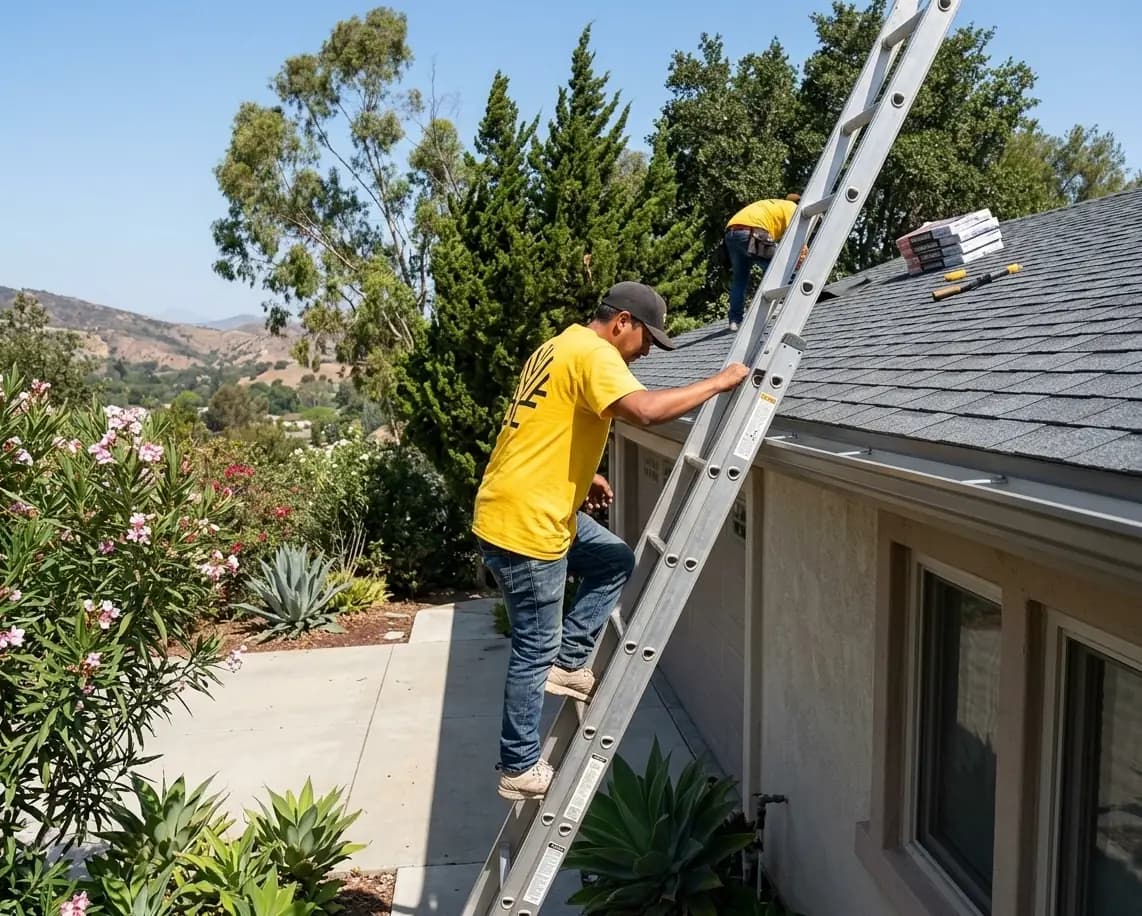
The only way to know where your specific roof actually stands is a real inspection, not a guess from the driveway or an estimate based on age alone. Wild Oak Construction holds both a C-39 Roofing license and a Class B General Building license (CSLB #1146494), which means the same licensed team that inspects the roof can also handle any structural or decking issues the inspection uncovers, without bringing in a second contractor.
We offer a free on-site inspection with a written estimate, so you can see exactly what we found before deciding anything. We serve homeowners within about 20 miles of our Sherman Oaks office, including Studio City, Encino, Van Nuys, North Hollywood, Tarzana, Woodland Hills, Burbank, Glendale, Beverly Hills, and the Hollywood Hills. Our roofing services cover everything from targeted repairs to full replacements, and financing is available if you would rather spread the cost. If you are still weighing repair against replacement rather than timing, our repair vs. replacement guide covers that decision in detail.